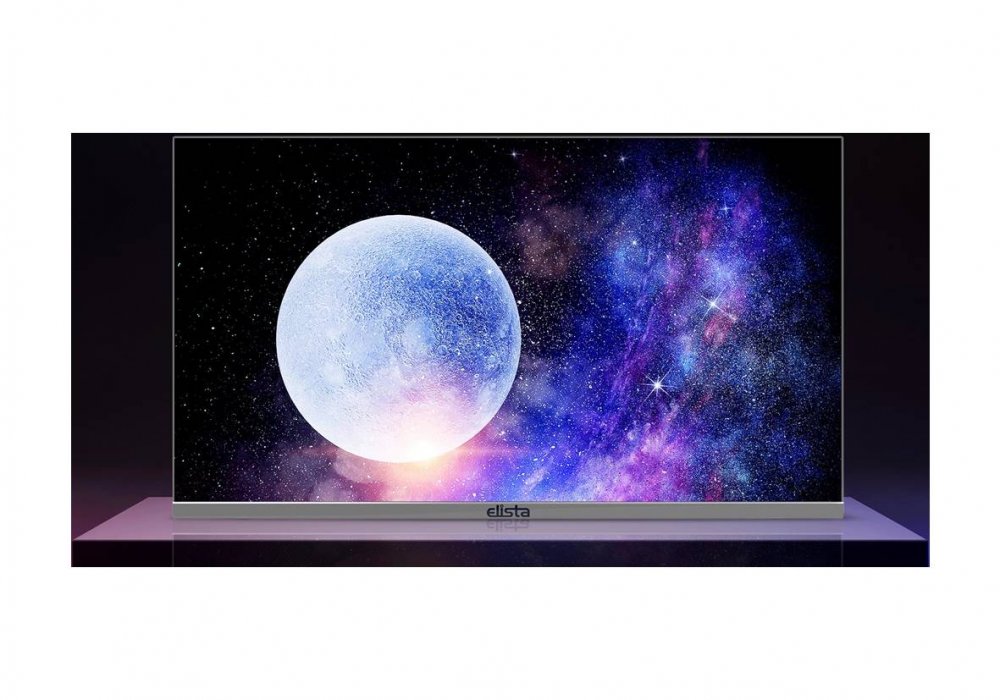
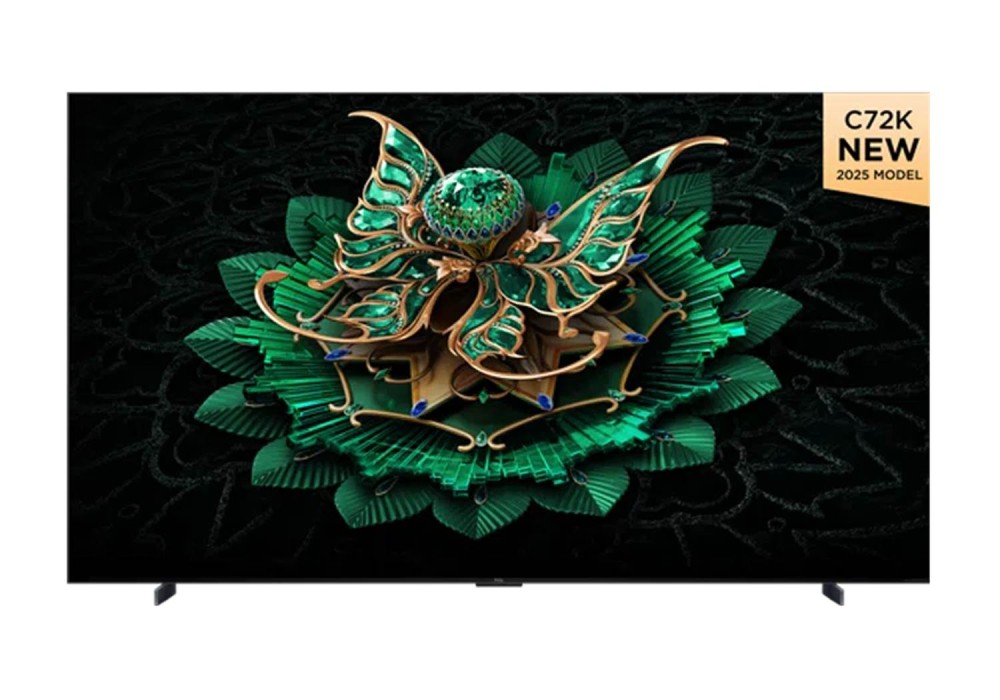
Both TVs come in similar screen sizes, making them suitable for comparable viewing setups and room environments. From a practical standpoint, both options provide a reliable viewing experience for most users. Audio output differs between the two (20 W vs 60 W), which can influence overall sound clarity and loudness. Both TVs offer adequate brightness levels suitable for most indoor lighting conditions. Elista LED-SU75EIB51 and TCL 75C72K differ in resolution (4K 3840 x 2160 vs 4K UHD), which can affect overall clarity and sharpness of the display. Elista LED-SU75EIB51 and TCL 75C72K offer different motion rates (60 Hz vs 144 Hz), which can impact smoothness during fast-moving scenes like sports and gaming. Elista LED-SU75EIB51 and TCL 75C72K are well-equipped smart TVs that aim to provide a balance of picture quality, performance, and smart capabilities. Both TVs come with smart platforms that support popular streaming apps and voice control features.
Verdict: Choosing between Elista LED-SU75EIB51 and TCL 75C72K depends on your usage, whether you prioritize display quality, smoother motion, or smart features.
Top Differences
- Resolution: 4K 3840 x 2160 Vs 4K UHD
- Refresh Rate: 60 Hz Vs 144 Hz
- Display Technology: 4K UHD LED Vs 4K UHD Premium QD-MiniLED QLED
 ALERT
ALERT