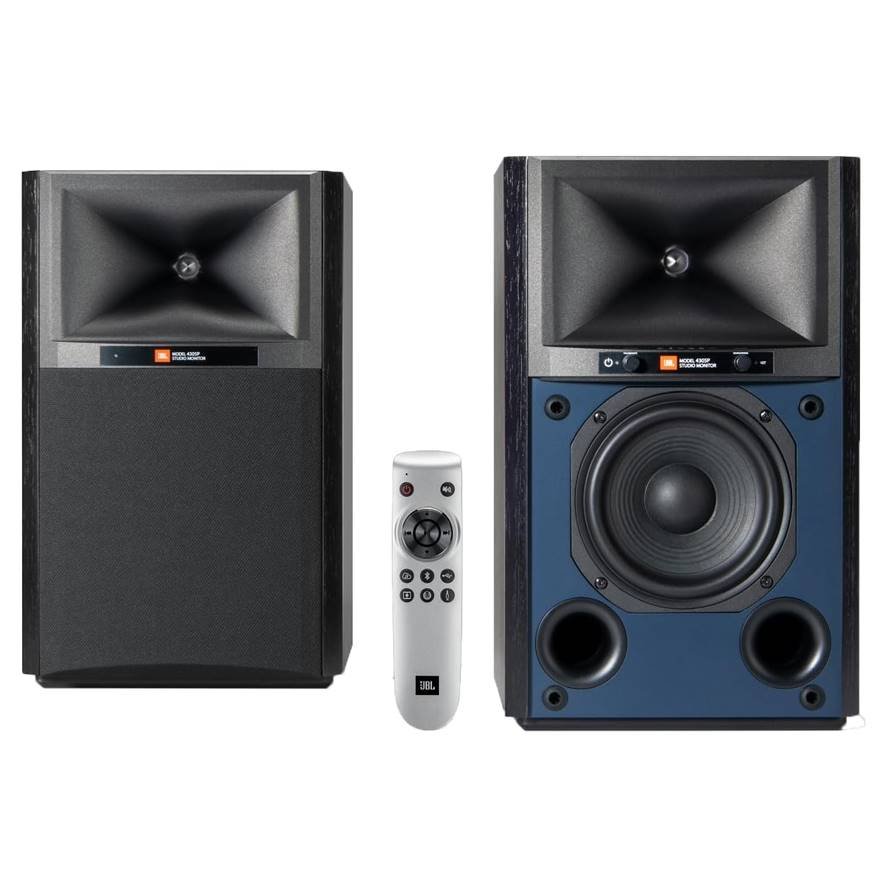
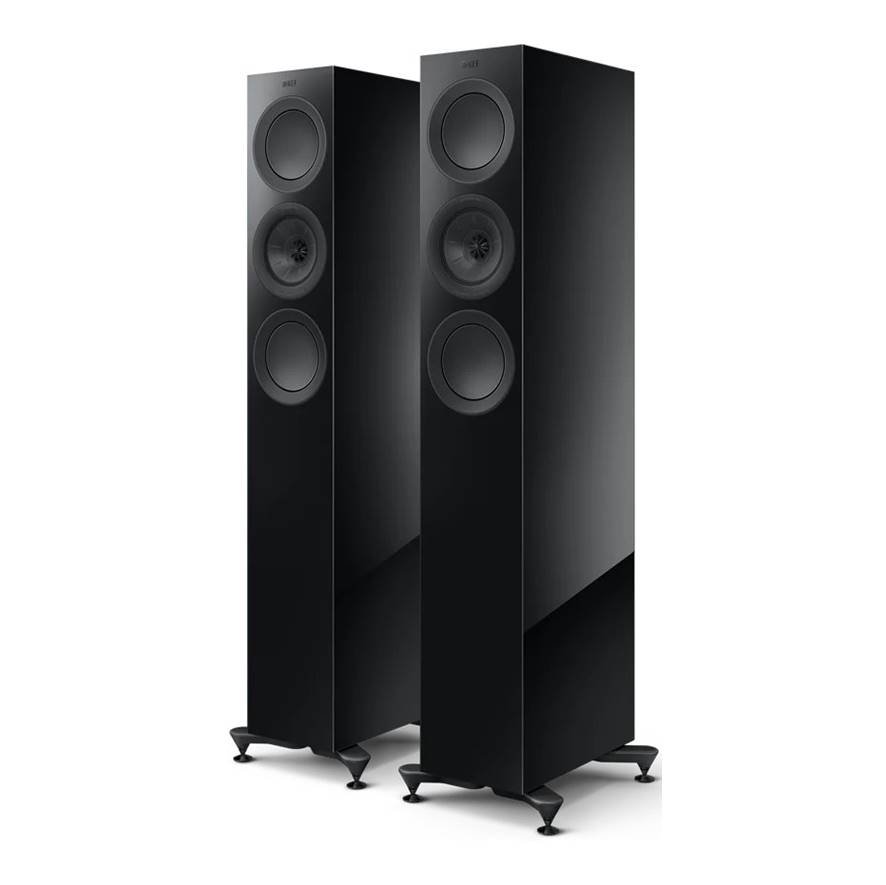
If you're comparing JBL 4329P Studio and KEF R5 Meta, both systems are built to enhance your home entertainment experience with strong audio output and advanced features. Modern connectivity options make these systems flexible for different setups and devices. Both systems aim to provide room-filling sound suitable for various entertainment needs. Advanced sound technologies play a major role in delivering a more immersive audio experience. Variations in sound output and surround capabilities affect how immersive the audio experience feels.
Verdict: Both systems are competitive, and the right option depends on your room size, usage, and feature requirements.
Top Differences
- Sound Output: 600W vs 15W
- Channels: 600 vs 15
- Bluetooth Version: 5.3 vs NA
- Frequency Response: Crossover Frequencies : 1675 Hz
Frequency Response - 6dB : 28Hz - 25KHz vs Crossover Frequency : 400 Hz, 2.7 KHz
Frequency Range ( -6dB ) : 38 Hz - 50 KHz
Frequency Response ( ±3dB ) : 52 Hz - 28 KHz
Typical In-Room Bass Response ( -6dB ) : 29 Hz
Harmonic Distortion ( 90dB, 1m ) : <1% 75 Hz A Above, <0.5% 110 Hz - 20 KHz
- Subwoofer Size: 200 mm vs 125 mm
 ALERT
ALERT