Alert Icon ALERT
Ok Icon
FullSpecs.net Logo
 
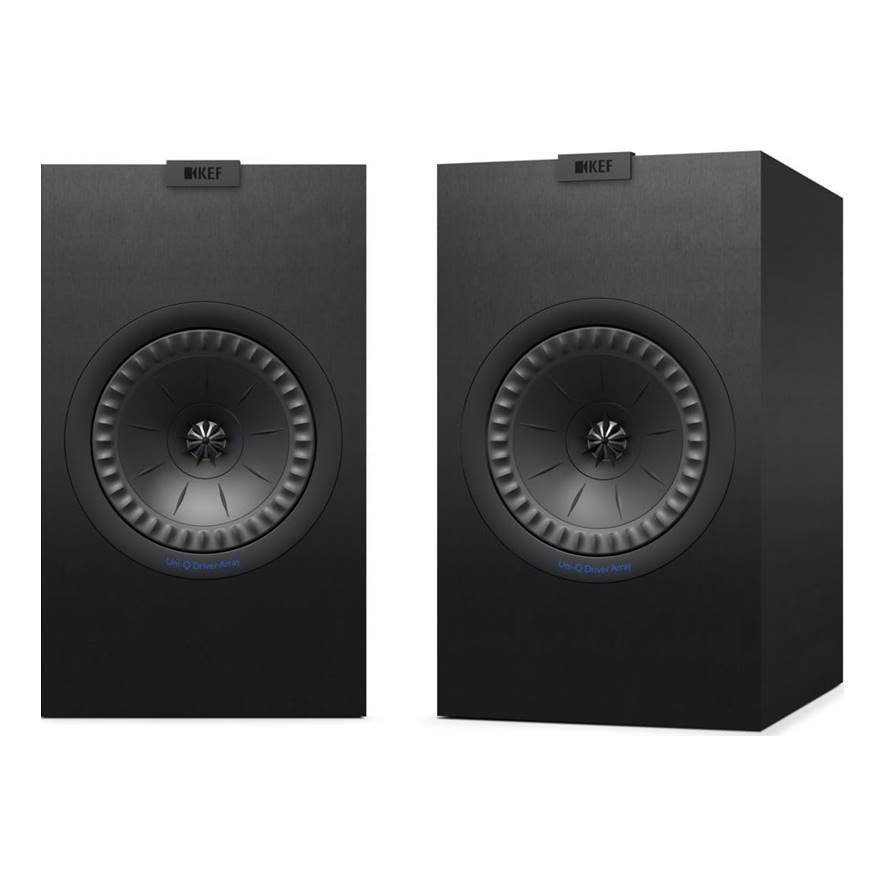
KEF Q150 Bookshelf Speaker
Rs.72,000.00

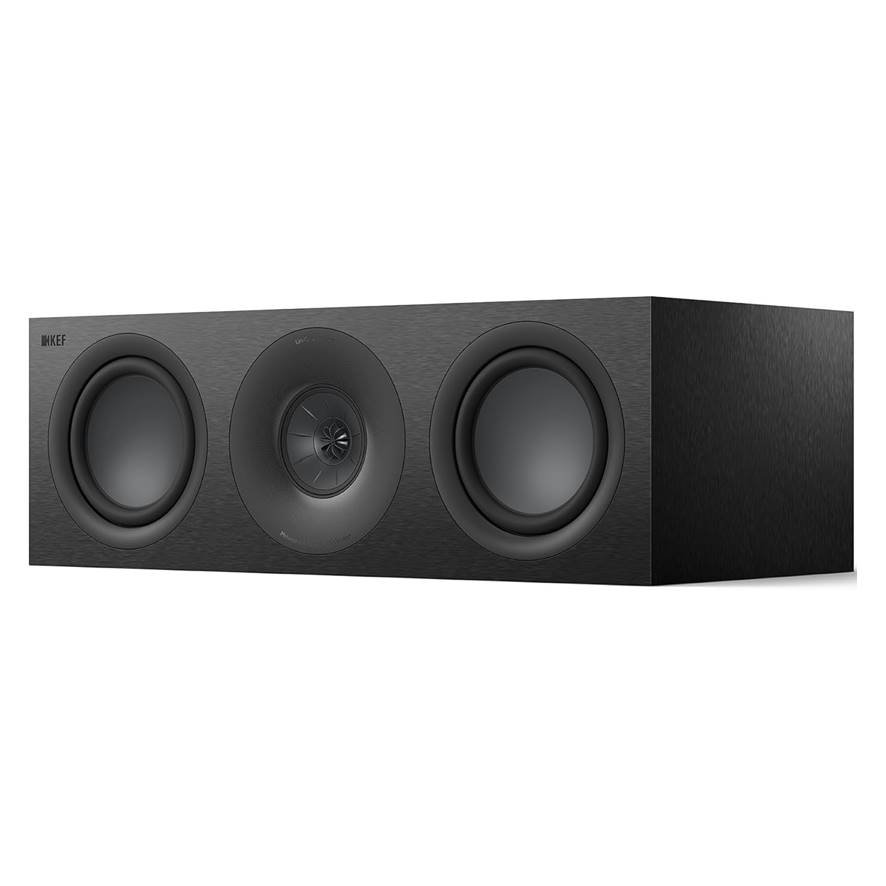
KEF Q6 Meta
Rs.69,869.81
Brand
KEF
KEF
Model No
Q150 Bookshelf Speaker
Q6 Meta
Wired / Wireless
Home Theatre Speaker Specification
Driver Type
Dynamic
Dynamic
 
Driver Diameter
130 mm Aluminum Uni-Q
25 mm Vented Aluminum Dome HF
Uni-Q Driver Array
MF: 100 mm Aluminum Cone
HF: 19 mm Vented Aluminum Dome With MAT
Bass Unit : LF : 2 X 165 mm Hybrid Aluminum Cone
Impedance
8 Ohms ( Min. 3.7 Ohms )
4 Ohms ( Min. 3.2 Ohms )
Sensitivity
86dB
86 dB
Frequency Response
Frequency Response ( ±3dB ) 51Hz-28kHz
Crossover Frequencies 2.5KHz
Frequency Range Free Field ( -6dB ) 47Hz
Crossover frequency : 560 Hz, 2.7 KHz
Frequency Range ( -6dB ) : 52 Hz - 20 KHz
Frequency Response ( ±3dB ) : 63 Hz - 20 KHz
Typical In-Room Bass Response ( -6dB ) : 36 Hz
Harmonic Distortion ( 90dB, 1m ) : <2% 20 Hz & Above, <1% 68 Hz - 20 KHz
Maximum Power Input
NA
NA
Maximum Power Output
10 - 100 W ( RMS )

Two-Way Bass Reflex
15 - 200 W ( RMS )

Three-Way Closed Box
Signal to Noise Ratio
108dB
109 dB
 
Noise Cancelling
Aux Connectivity
No
No
Weight
7.6 Kg
14.1 Kg
Dimensions
Speaker : 303 mm X 180 mm X 278 mm
With Rubber Feet 307 mm X 180 mm X 278 mm
Speaker : 210 mm X 629 mm X 303 mm
Available Colors
Black, White
Black, White, Brown
Accessories
KEF Q150 Bookshelf Home Theatre Speaker
User Manual
2 Foam Port Plugs
Warranty Information
8 Self-Adhesive Rubber Feet
KEF Q6 Meta Home Theatre Speaker
Rubber Feet
Magnetic Grille
User Manual & Warranty Information​
Other Features
The KEF Q150 uses a famous KEF technology to great effect, with the Uni-Q drive unit.
Featuring a Computational Fluid Dyanmics (CFD) port design with the port repositioned to the rear of the speaker.
KEF, Wireless Music System , speaker, wireless speaker system, satellite speaker, bluetooth, stereo, home entertainment
Every speaker’s sound signature is unique, & the Q150 are especially distinctive, offering deep & powerful bass, a warm, & supple midrange.
Made from lightweight yet rigid aluminium, the woofer unit is fast to respond and linear in its response. This helps give life-like dynamics and low levels of distortion.
Q6 features KEF's revolutionary Meta material technology that can absorb 99% of the unwanted noise from the rear of the driver for pure and natural sound.
KEF's 12th Generation Uni-Q driver acts as a single point source to disperse sound more evenly for an immersive and cohesive soundstage with better clarity.
The Q Series speakers feature a contemporary minimalist design with a satin finish that offers a premium, subtle glow. Available in Satin Black, Satin White, and Walnut finishes, they are designed to blend effortlessly into any interior.
A critical component of the Q series is the refined crossover, which ensures seamless integration of all speaker parts. More than 1,000 specific measurements are taken for each speaker model, allowing precise signal path and optimisation for best possible performance.
The Q Series features a hybrid bass driver design that provides stiffness to achieve a piston-like movement for better bass punch and speed. Combined with a port modelled using Computational Fluid Dynamics (CFD), this results in precise and agile bass management even at high output levels.

Compare KEF Q150 Bookshelf Speaker with:

Compare KEF Q6 Meta with:

Key Differences

If you're comparing KEF Q150 Bookshelf Speaker and KEF Q6 Meta, both systems are built to enhance your home entertainment experience with strong audio output and advanced features. Both models are designed for movies, music, and gaming, delivering a cinematic experience at home. Variations in sound output and surround capabilities affect how immersive the audio experience feels. Modern connectivity options make these systems flexible for different setups and devices. Support for technologies like Dolby Atmos and DTS enhances the depth and realism of sound.

Verdict: Choosing between KEF Q150 Bookshelf Speaker and KEF Q6 Meta depends on your need for immersive sound and advanced audio technologies.

Top Differences

  • Sound Output: 10W vs 15W
  • Channels: 10 vs 15
  • Bluetooth: yes vs no
  • Frequency Response: Frequency Response ( ±3dB ) 51Hz-28kHz Crossover Frequencies 2.5KHz Frequency Range Free Field ( -6dB ) 47Hz vs Crossover frequency : 560 Hz, 2.7 KHz Frequency Range ( -6dB ) : 52 Hz - 20 KHz Frequency Response ( ±3dB ) : 63 Hz - 20 KHz Typical In-Room Bass Response ( -6dB ) : 36 Hz Harmonic Distortion ( 90dB, 1m ) : <2% 20 Hz & Above, <1% 68 Hz - 20 KHz
  • Subwoofer Size: 130 mm vs 100 mm