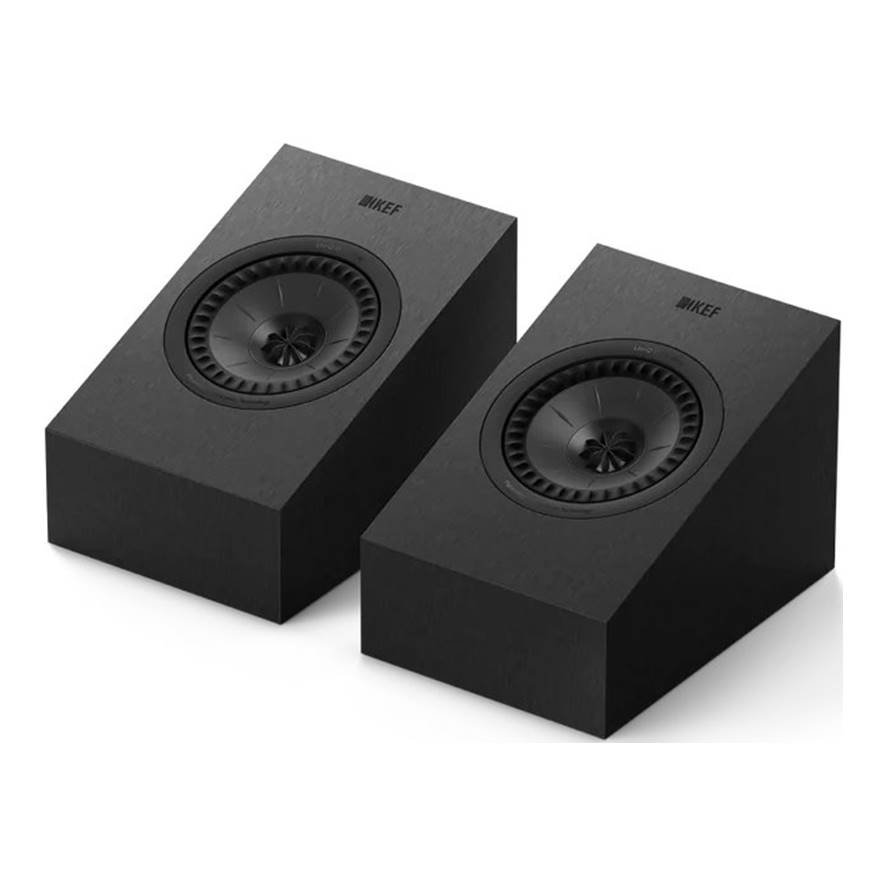
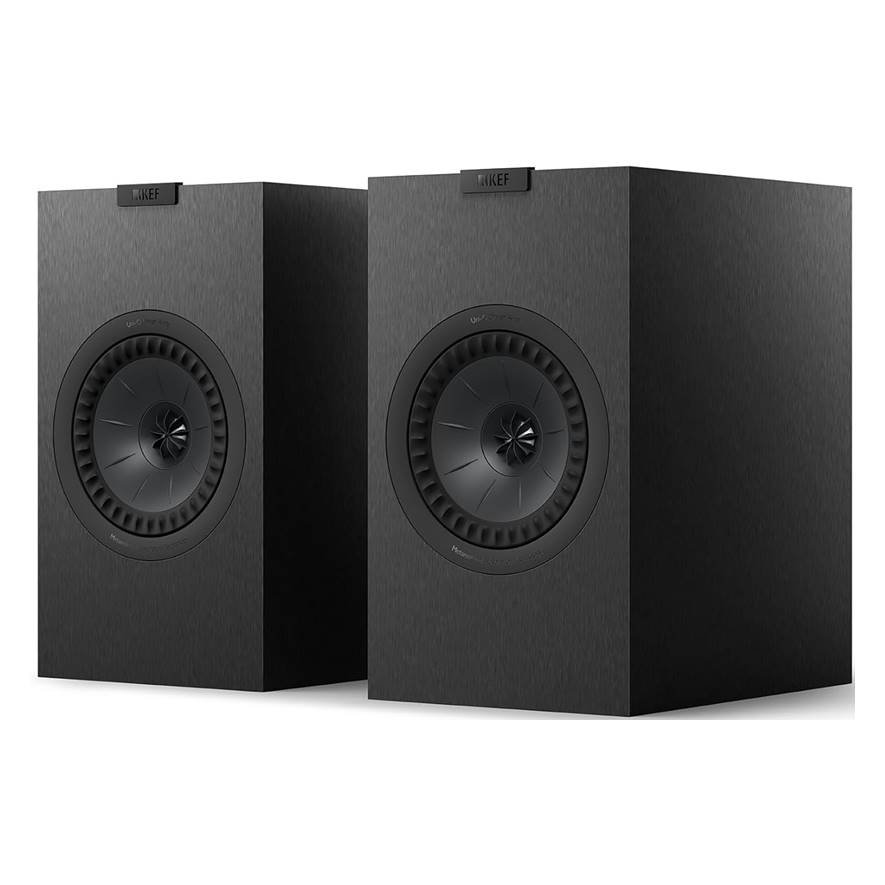
Differences in power output, channel configuration, and audio technologies can impact overall sound performance. If you're comparing KEF Q3 Meta and KEF Q8 Meta, both systems are built to enhance your home entertainment experience with strong audio output and advanced features. These speakers are ideal for creating a home theatre-like environment with immersive sound output. Audio enhancements and surround technologies improve clarity and spatial sound performance. Both models offer multiple connectivity options for seamless integration with TVs and other devices.
Verdict: Both systems are competitive, and the right option depends on your room size, usage, and feature requirements.
Top Differences
- Sound Output: 15W vs 10W
- Channels: 15 vs 10
- Dolby Atmos: No vs Yes
- Frequency Response: Crossover Frequency : 20 KHz
Frequency Range ( -6dB ) : 42 Hz - 20KHz
Frequency Response ( ±3dB ) : 49 Hz - 20KHz
Typical In-Room Bass Response ( -6dB ) : 39 Hz
Harmonic distortion ( 90dB, 1m ) : <2% 110 Hz & Above, <1% 135 Hz - 20 KHz vs Crossover Frequency : 2.7 KHz
Frequency Range ( -6dB ) : 396 Hz - 20 KHz
Frequency Response ( ±3dB ) : 105 Hz - 20KHz
Typical In-Room Bass Response ( -6dB ) : 90 Hz
Harmonic Distortion ( 90dB, 1m ) : <2% 145 Hz & Above, <1% 170 Hz - 20 KHz
- Subwoofer Size: 165 mm vs 130 mm
 ALERT
ALERT