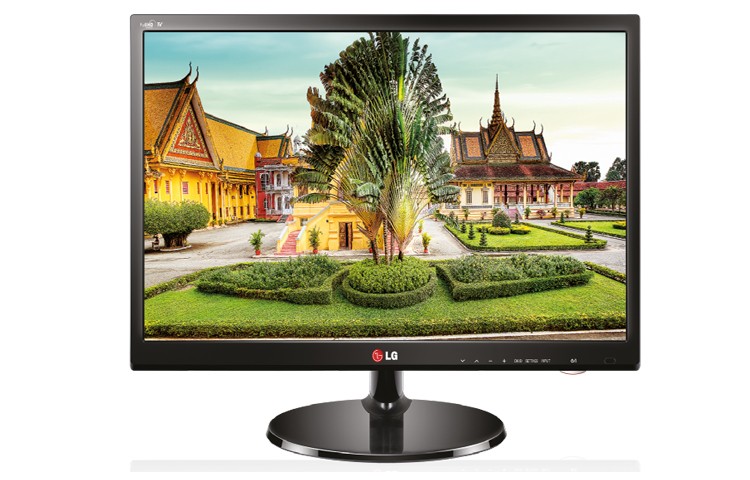
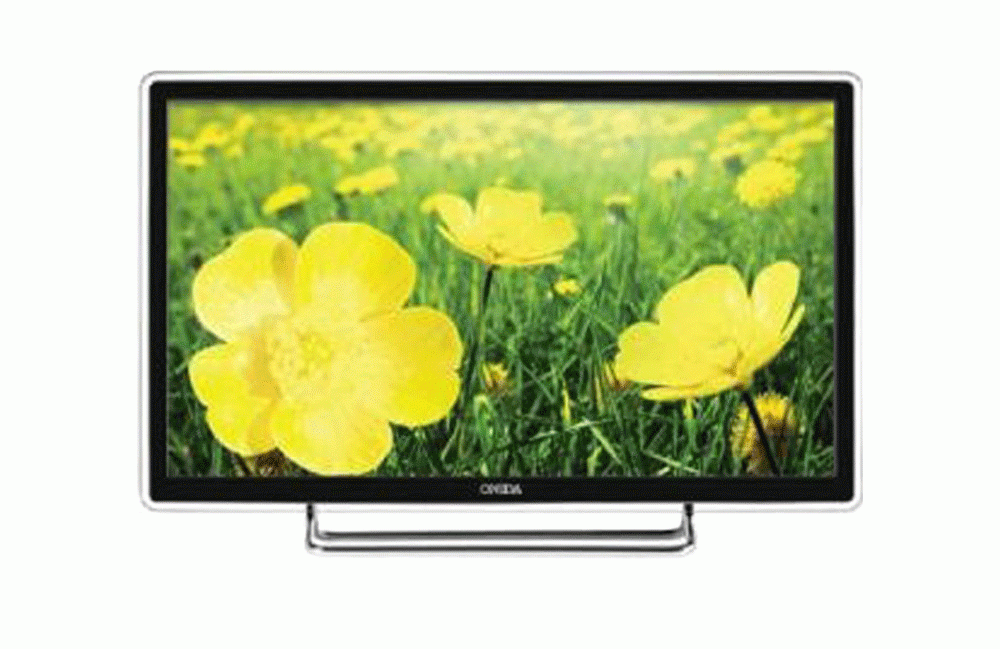
| Model No |
24LN4300 |
LEO22ITD |
| TV Type |
LED TV |
LED TV |
| Screen Size |
24 Inch (59.80 cm) |
22 Inch (54.70 cm) |
| Resolution |
1920 x 1080 |
1366 x 768 |
| Aspect Ratio |
16:9 |
16:9 |
| Motion Rate |
50 Hz |
NA |
| Viewing Angle |
178° |
178 / 178 degrees |
| USB |
| USB Version |
: 2.0 |
| Supported Audio Formats |
: MP3, AAC, WMA |
| Supported Video Formats |
: MKV, DivX, MP4, AVI, ASF, MOV, FLV, DAT, VOB |
| Supported Picture Formats |
: JPG |
|
| USB Version |
: 2.0 |
| Supported Audio Formats |
: MP3, AAC, WMA |
| Supported Video Formats |
: MKV, DivX, MP4, AVI, ASF, MOV, FLV, DAT, VOB |
| Supported Picture Formats |
: JPG |
|
| Video |
| Dynamic Color Enhancer |
: Yes |
| Picture Mode |
: 5 modes (Vivid, Standard, Cinema,Sport, Game) |
| (3D MPEG) Noise Reduction |
: Yes |
| Just Scan (1:1 Pixel Matching) 0% OverScan |
: Yes ( Component) 1080i / 1080p / 720p |
|
| Selectable Picture Modes |
: Vivid / Cinema / News / Sports / Normal |
| Video Processing |
: SRV Engine |
| Dynamic contrast ratio |
: 1000000 : 1 |
| Flesh Tone Adjust |
: Off, Low, Medium, High |
| Noise Reduction |
: Off, Low, Medium, High |
| Display Color |
: 16.7 Million |
| Colour System |
: Pal / Secam / Auto |
| Backlight Module |
: EDGE LED |
|
| Audio |
| Dolby Digital Decoder |
: Yes |
| Speaker System |
: 1 Way 2 Speakers |
| Audio Output (RMS) |
: 10 watts |
| Sound Mode |
: 5 Modes (Standard, Music, Cinema, Sport, Game) |
| Audio Codec |
: AC3(Dolby Digital), EAC3, AAC, Mpeg, MP3, PCM |
|
| Audio Output |
: 2 x 10 Watts |
| Sound Modes |
: Movie, Music, Flat, Normal |
| Equalizer |
: Yes |
| Surround Sound |
: Yes |
|
| Connectivity Options |
| USB |
: 1 (Side) |
| RF In |
: Yes (Rear) |
| Component In (Y,Pb,Pr + Audio) |
: 1 Composite, Component common (Rear) |
| HDMI 1.4 |
: 2 (Rear) |
| RGB In (D-sub 15pin) - PC |
: 1 (Rear) |
|
| USB |
: 2 |
| HDMI |
: 2 |
| Composite Video In |
: 2 |
| Component Video (Y/Pb/Pr) In |
: 1 |
| VGA |
: 1 |
| AV Out |
: 1 |
| PC Audio In |
: 1 |
|
| Other Features |
| USB Movie |
: Pen Drive or External Hard Drive |
| Motion Eco Sensor |
: Yes |
| Smart Energy Saving |
: Yes |
| Input Labeling |
: Yes |
| Subtitle for DivX (Language) |
: 9 Language (English, French, Vietnamese, Russian, Thai, Hebrew, Arabic, Persian, Kurdish) |
|
| USB Play |
: Movie, Music, Jpeg |
| OSD Languages |
: English / Arabic / Russian |
| Hotel Mode |
: Optional |
| Wake Up Timer |
: Yes |
| Others |
: Alarm |
|
| General Details |
| Power Supply |
: 100 - 240Vac 50-60Hz |
| Power Consumption (Stand-by) |
: 0.5 watts |
| Power Consumption |
: 29 watts |
| Weight without Stand |
: 3 kg |
| Weight with Stand |
: 3.2 kg |
| Package Weight |
: 4.5 kg |
|
| Power Supply |
: 100 240VAC ; 50Hz / 60HZ |
| Power Consumption |
: 35 Watts |
| Weight with Stand |
: 3.8 Kg |
|
| Supplied Accessories |
|
| Remote Control |
: Yes |
| Battery Cell |
: Yes |
| Wall Mount |
: Yes |
| Instruction Manual |
: Yes |
| Table Top |
: Yes |
|
|
Compare LG 24LN4300 with:
|
Compare Onida LEO22ITD with:
|
|
LG 24LN4300 features a 24 Inch (59.80 cm) screen while Onida LEO22ITD comes with 22 Inch (54.70 cm), which can make a noticeable difference depending on your room size and viewing distance. Both TVs offer adequate brightness levels suitable for most indoor lighting conditions. From a practical standpoint, both options provide a reliable viewing experience for most users. Both TVs come with smart platforms that support popular streaming apps and voice control features. LG 24LN4300 and Onida LEO22ITD differ in resolution (1920 x 1080 vs 1366 x 768), which can affect overall clarity and sharpness of the display. Both TVs provide standard built-in audio performance suitable for regular usage, though external speakers can enhance the experience. LG 24LN4300 and Onida LEO22ITD offer different motion rates (50 Hz vs NA), which can impact smoothness during fast-moving scenes like sports and gaming. LG 24LN4300 and Onida LEO22ITD are well-equipped smart TVs that aim to provide a balance of picture quality, performance, and smart capabilities. Verdict: Both TVs are strong contenders, and your final choice should depend on your preference for screen size, motion performance, and smart features. Top Differences- Screen Size: 24 Inch (59.80 cm) Vs 22 Inch (54.70 cm)
- Resolution: 1920 x 1080 Vs 1366 x 768
- Refresh Rate: 50 Hz Vs NA
|
|
 ALERT
ALERT