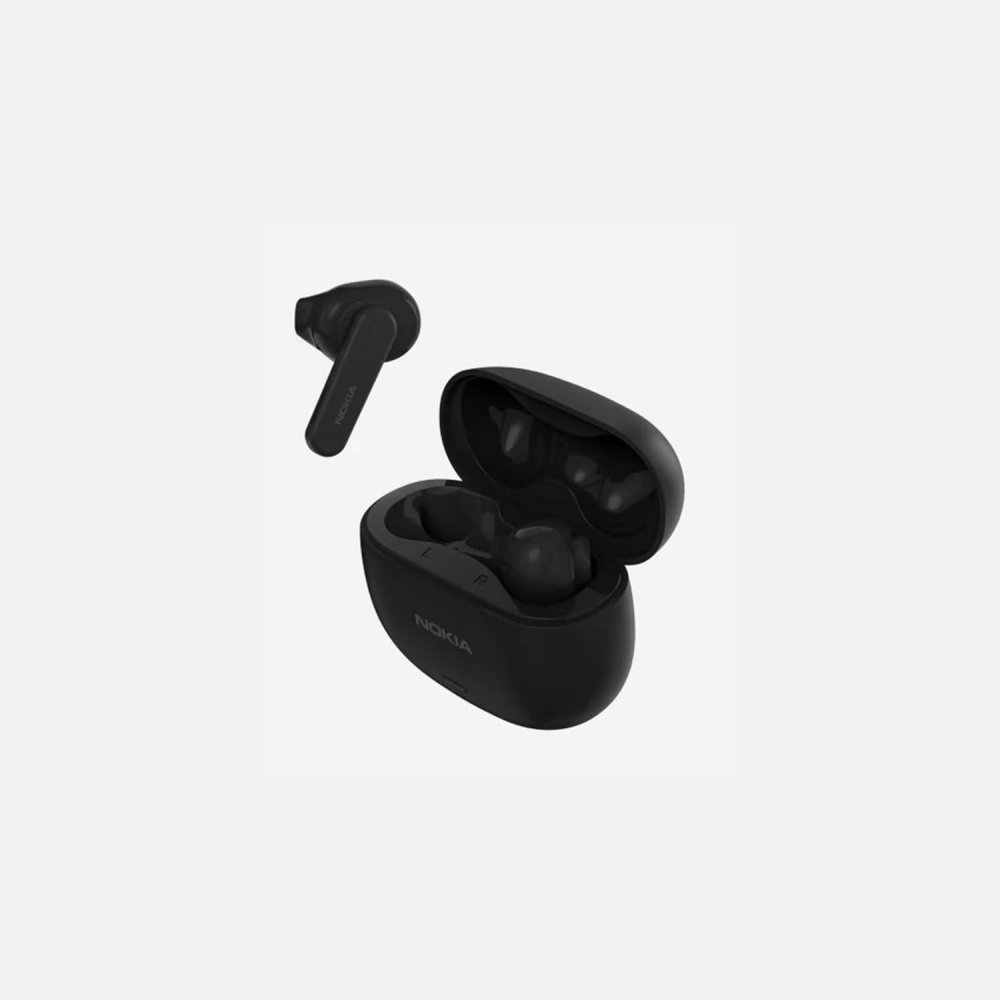
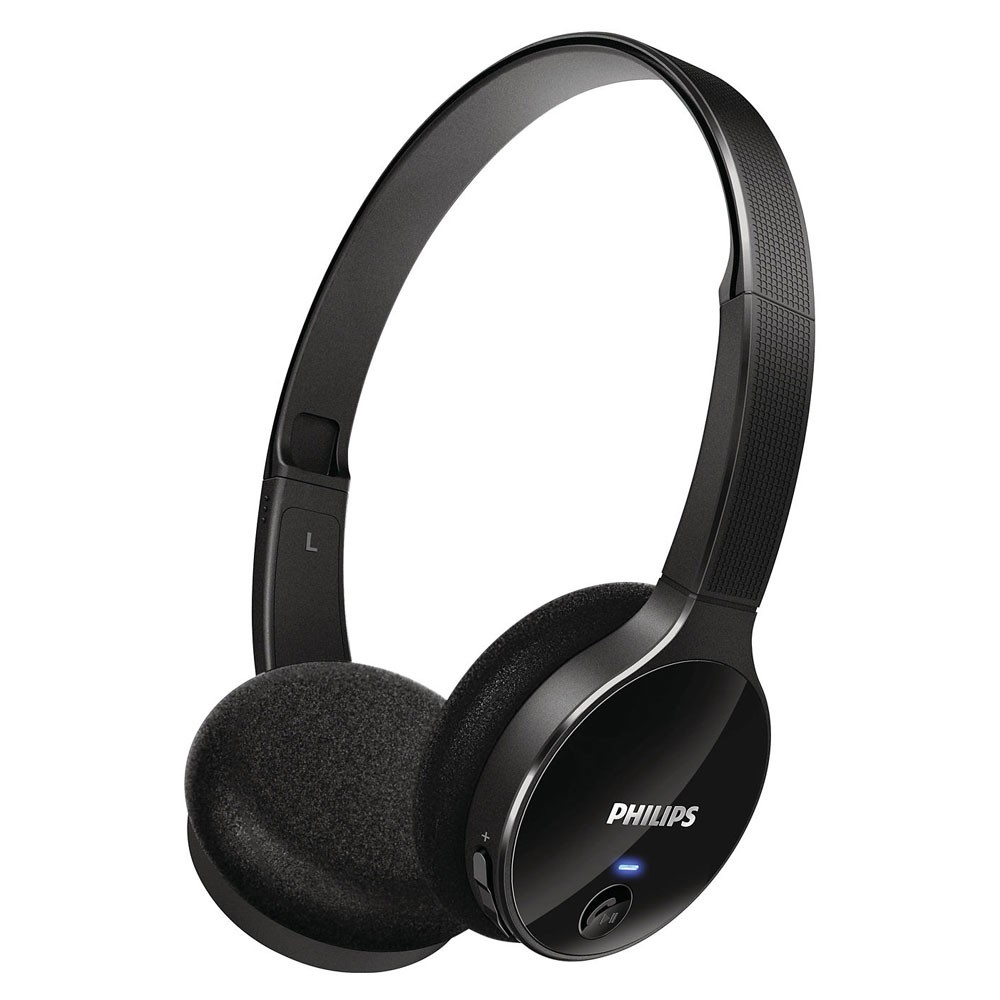
The driver size differs between the two (32 mm vs 10 mm), which can influence sound depth, bass response, and overall audio clarity. Overall, both headphones are feature-rich and cater to users looking for a combination of sound quality, comfort, and wireless convenience. Philips SHB4000 and Nokia Go Earbuds 2 + are well-known options in the wireless headphone segment, offering a balance of audio quality, battery performance, and smart features. Impedance levels vary (24 ohms vs NA), which can affect compatibility and audio output when used with different devices. There is a noticeable difference in weight (71 g vs 48 gm), which may affect comfort during extended use. Philips SHB4000 uses Bluetooth 3.0 while Nokia Go Earbuds 2 + supports Bluetooth 5.2, which can impact connectivity stability and efficiency. The frequency response differs (20 - 20,000 Hz vs 20 Hz To 20000 kHz), which can influence how well the headphones reproduce lows, mids, and highs. Battery life varies between the two (Music Playtime: 9 hr, Talk Time: 9 hr, Standby Time: 200 hr vs 24 Hours), which affects how long you can use them on a single charge. Philips SHB4000 and Nokia Go Earbuds 2 + offer different noise cancellation capabilities (No vs Environmental Noise Cancellation), which can impact how effectively they block external noise.
Verdict: Both models are competitive, and your decision should be based on your usage needs and preferred features.
Top Differences
- Battery Life: Music Playtime: 9 hr, Talk Time: 9 hr, Standby Time: 200 hr vs 24 Hours
- Noise Cancelling: No vs Environmental Noise Cancellation
- Driver Size: 32 mm vs 10 mm
- Bluetooth: 3.0 vs 5.2
- Weight: 71 g vs 48 gm
 ALERT
ALERT