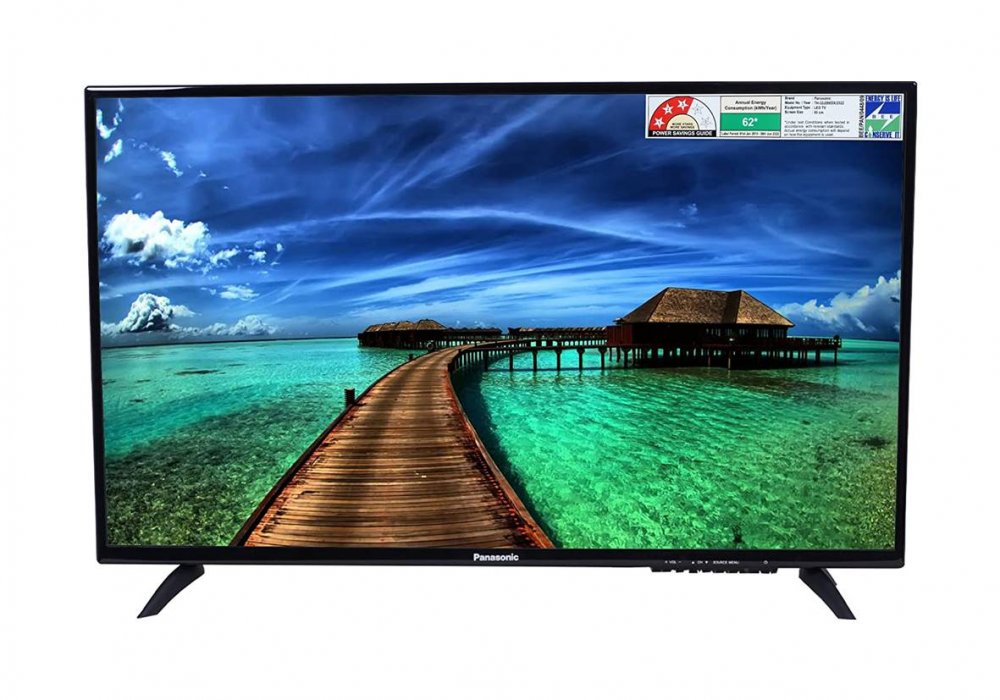
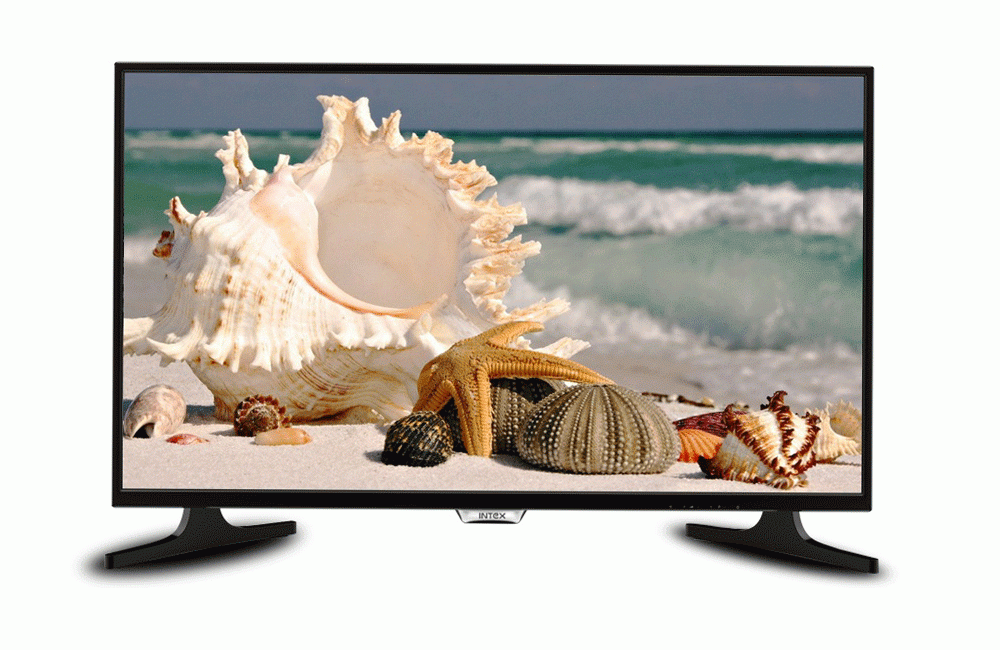
Both TVs come with smart platforms that support popular streaming apps and voice control features. Both TVs provide standard built-in audio performance suitable for regular usage, though external speakers can enhance the experience. Both models support 1366 x 768 resolution, ensuring sharp picture quality with detailed visuals for movies, shows, and gaming. Both TVs come in similar screen sizes, making them suitable for comparable viewing setups and room environments. From a practical standpoint, both options provide a reliable viewing experience for most users. Both TVs offer adequate brightness levels suitable for most indoor lighting conditions. Intex LED-3213 and Panasonic TH-32J200DX are well-equipped smart TVs that aim to provide a balance of picture quality, performance, and smart capabilities. Intex LED-3213 and Panasonic TH-32J200DX offer different motion rates (NA vs 60 Hz), which can impact smoothness during fast-moving scenes like sports and gaming.
Verdict: Both TVs are strong contenders, and your final choice should depend on your preference for screen size, motion performance, and smart features.
Top Differences
- Refresh Rate: NA Vs 60 Hz
 ALERT
ALERT