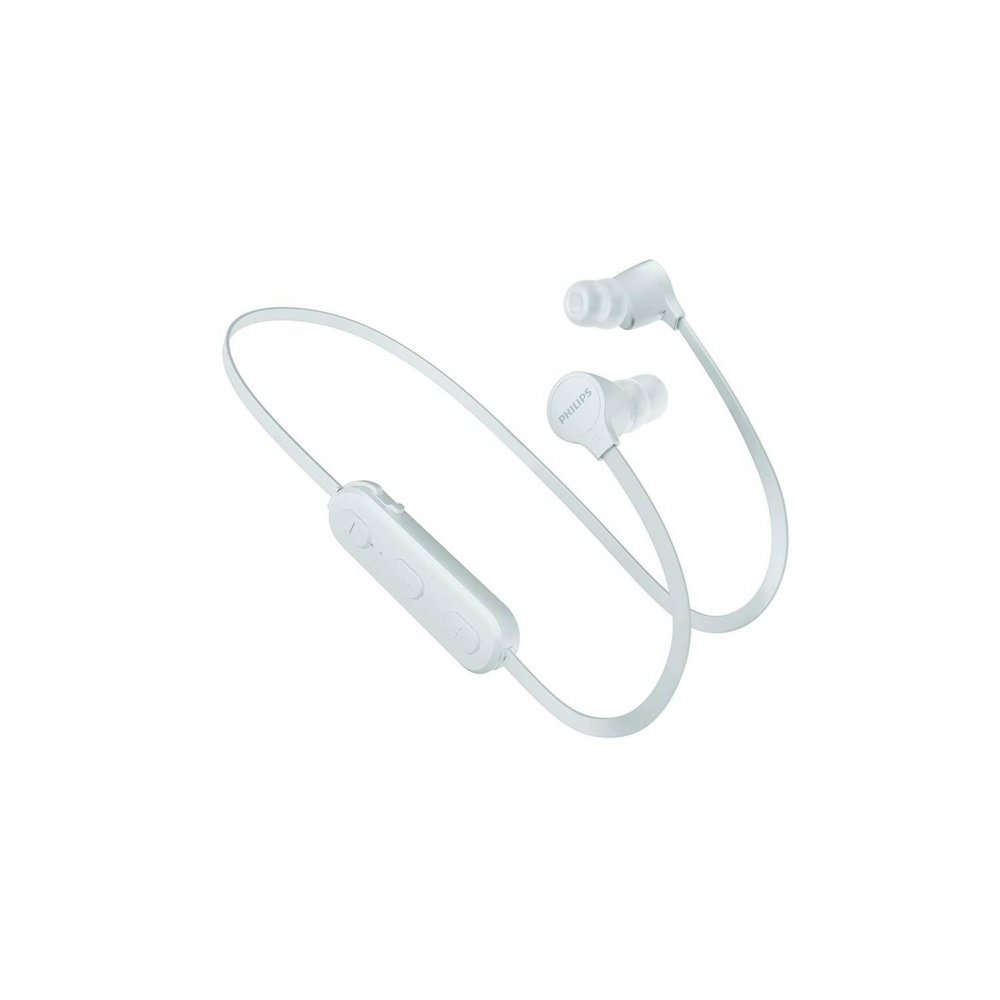
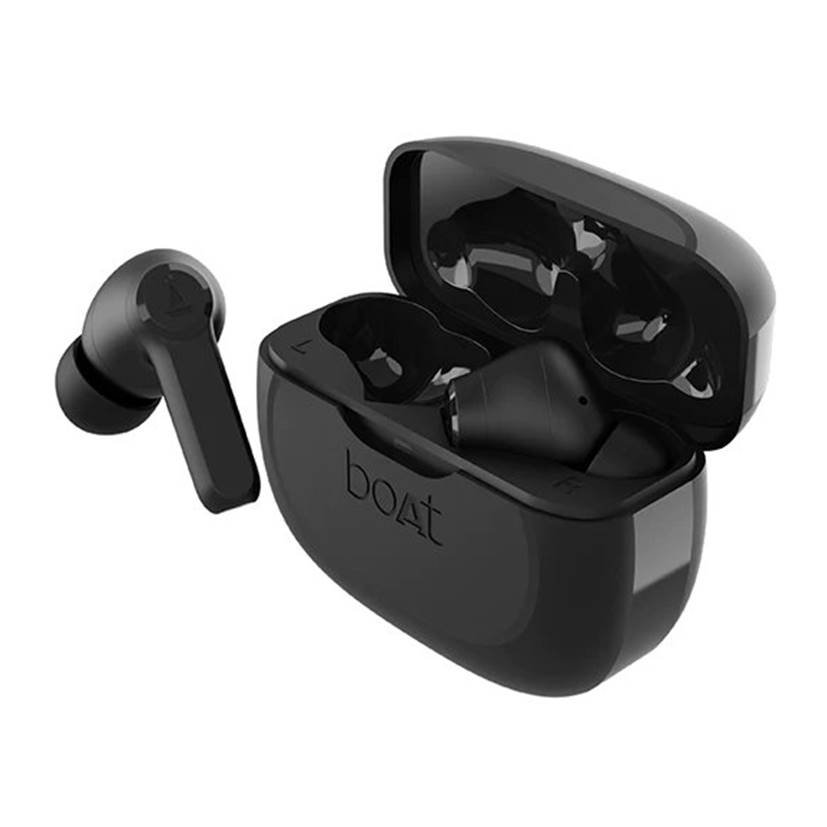
Impedance levels vary (16 ohm vs NA), which can affect compatibility and audio output when used with different devices. Overall, both headphones are feature-rich and cater to users looking for a combination of sound quality, comfort, and wireless convenience. Both headphones are equipped with capable drivers that deliver balanced sound output suitable for music, calls, and entertainment. There is a noticeable difference in weight (13 gm vs 45 Gm), which may affect comfort during extended use. Battery life varies between the two (4 Hours vs 10 / 30 Hours), which affects how long you can use them on a single charge. Philips SHB1805WT/10 uses Bluetooth 4.0 while boAt Airdopes 393 ANC supports Bluetooth 5.2, which can impact connectivity stability and efficiency. If you're comparing Philips SHB1805WT/10 and boAt Airdopes 393 ANC, both models offer a strong combination of sound performance, comfort, and modern wireless features. The frequency response differs (20 Hz - 20000 kHz vs 20 Hz - 20000 Hz), which can influence how well the headphones reproduce lows, mids, and highs. Philips SHB1805WT/10 and boAt Airdopes 393 ANC offer different noise cancellation capabilities (NA vs Active Noise Cancellation), which can impact how effectively they block external noise.
Verdict: Choosing between Philips SHB1805WT/10 and boAt Airdopes 393 ANC depends on whether you value better sound, longer battery life, or enhanced features.
Top Differences
- Battery Life: 4 Hours vs 10 / 30 Hours
- Noise Cancelling: NA vs Active Noise Cancellation
- Bluetooth: 4.0 vs 5.2
- Weight: 13 gm vs 45 Gm
- Impedance: 16 ohm Vs NA
 ALERT
ALERT