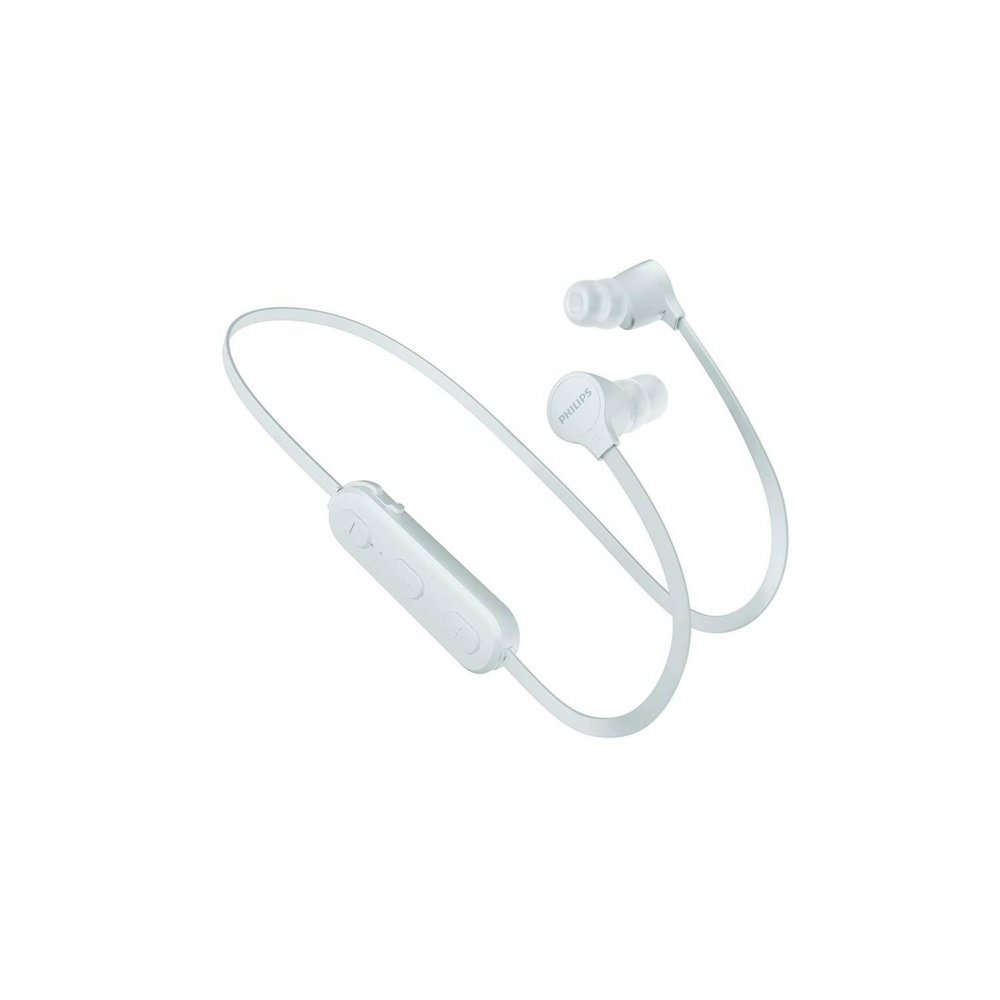
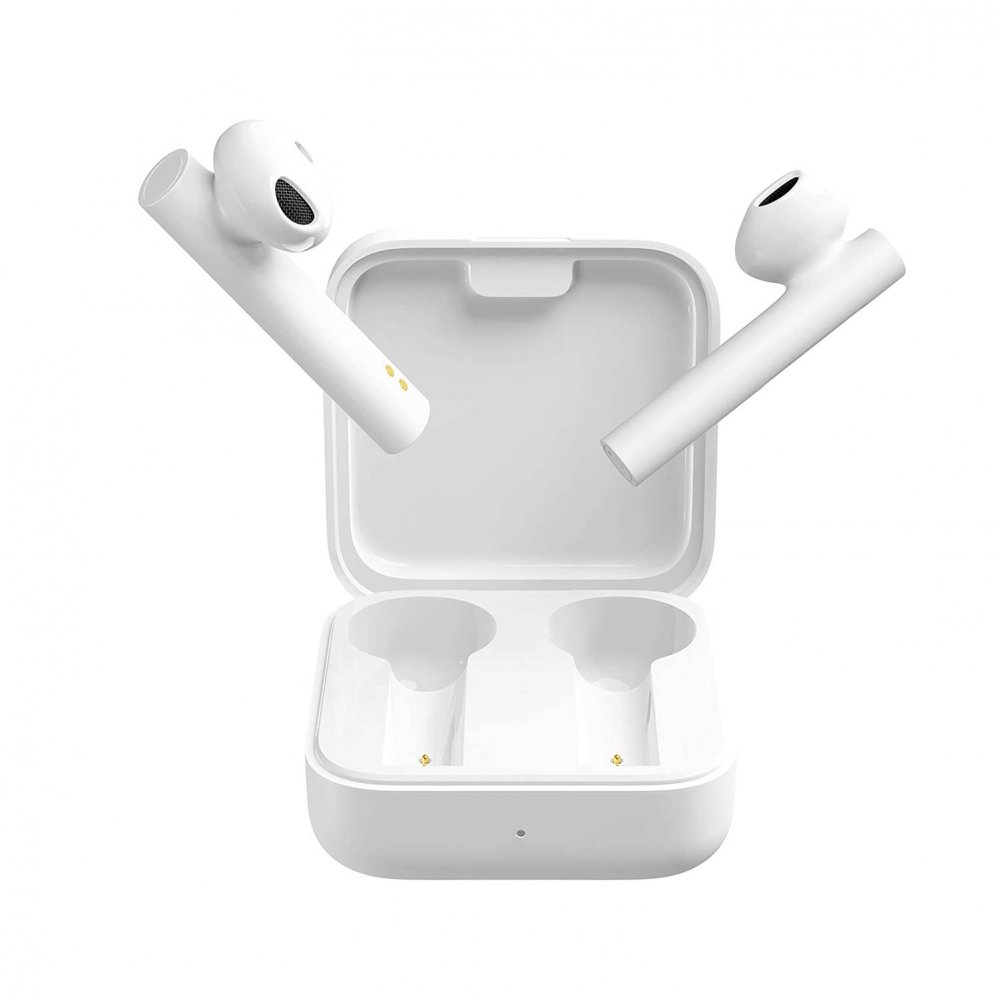
The frequency response differs (20 Hz - 20000 kHz vs 20 Hz - 20000 Hz), which can influence how well the headphones reproduce lows, mids, and highs. There is a noticeable difference in weight (13 gm vs 48 gm), which may affect comfort during extended use. Impedance levels vary (16 ohm vs 32 Ohm), which can affect compatibility and audio output when used with different devices. The driver size differs between the two (10 mm vs 14.2 mm), which can influence sound depth, bass response, and overall audio clarity. Philips SHB1805WT/10 and Mi True Wireless Earphones 2C offer different noise cancellation capabilities (NA vs Ambient), which can impact how effectively they block external noise. Philips SHB1805WT/10 uses Bluetooth 4.0 while Mi True Wireless Earphones 2C supports Bluetooth 5.0, which can impact connectivity stability and efficiency. In general, both options are suitable for everyday use including music, calls, travel, and work-from-home scenarios. Battery life varies between the two (4 Hours vs 5 Hours), which affects how long you can use them on a single charge. If you're comparing Philips SHB1805WT/10 and Mi True Wireless Earphones 2C, both models offer a strong combination of sound performance, comfort, and modern wireless features.
Verdict: Choosing between Philips SHB1805WT/10 and Mi True Wireless Earphones 2C depends on whether you value better sound, longer battery life, or enhanced features.
Top Differences
- Battery Life: 4 Hours vs 5 Hours
- Noise Cancelling: NA vs Ambient
- Driver Size: 10 mm vs 14.2 mm
- Bluetooth: 4.0 vs 5.0
- Weight: 13 gm vs 48 gm
 ALERT
ALERT