Alert Icon ALERT
Ok Icon
FullSpecs.net Logo
 
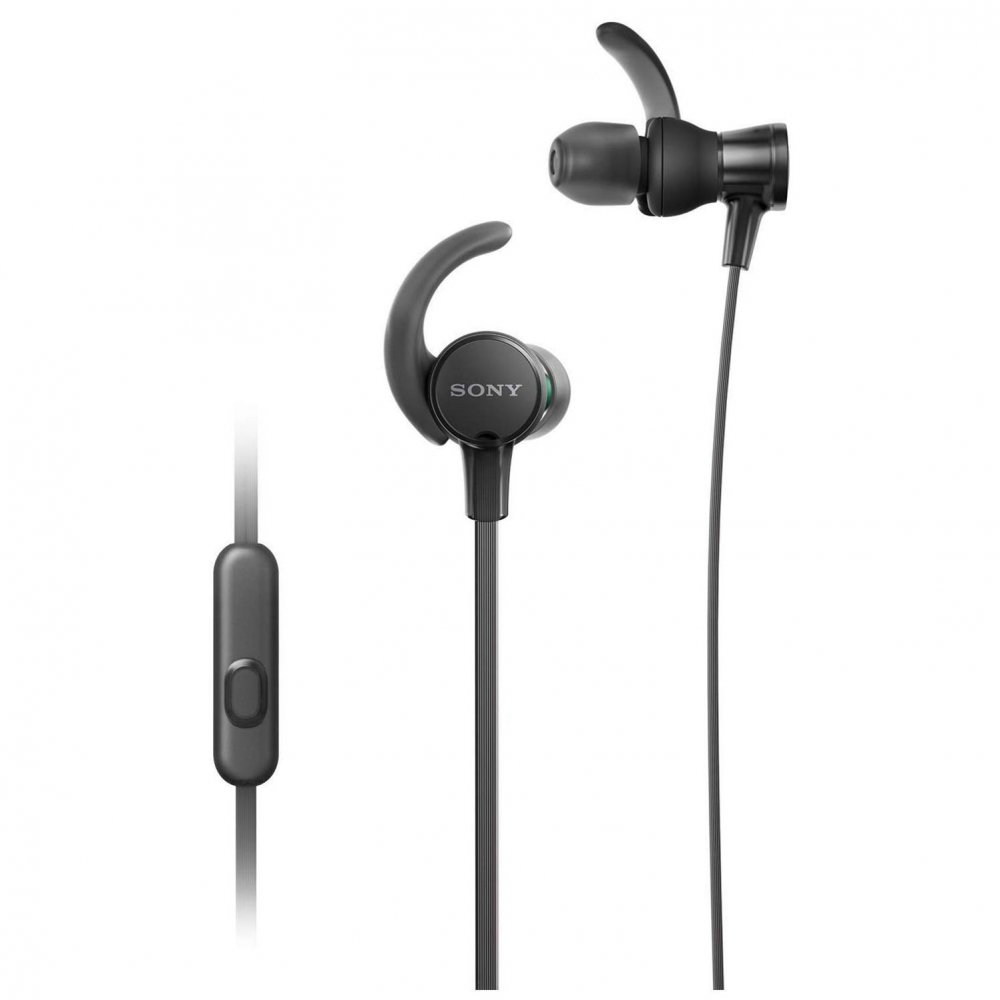
Sony MDR-XB510AS
Rs.2,790.00

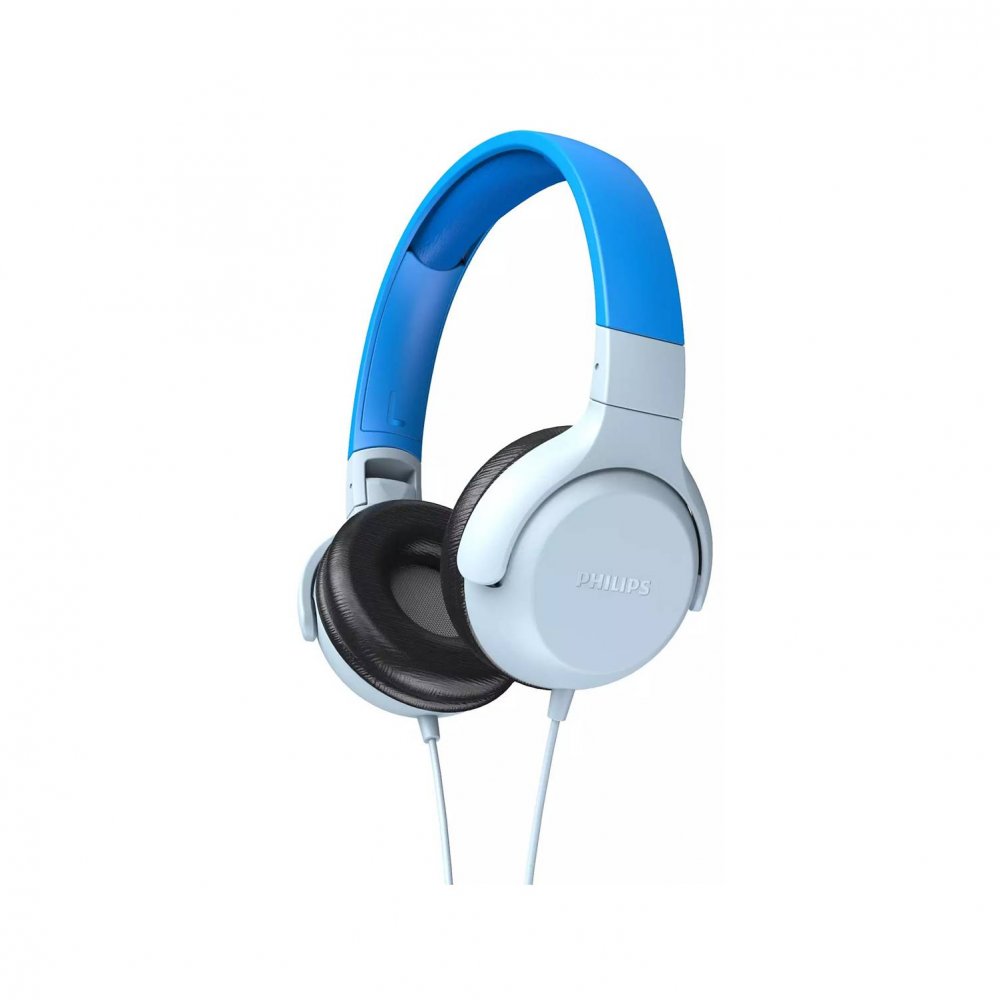
Philips TAKH101BL/00
Rs.2,884.62
Brand
Sony
Philips
Model No
MDR-XB510AS
TAKH101BL/00
Wired / Wireless
Wired Headphone Specification
Headphone Type
In Ear Canal
On Ear
 
Magnet Type
Neodymium
Neodymium
Driver Diameter
12 mm
32 mm
Impedance
16 ohm
32 ohm
Sensitivity
111 dB/mW
95dB
Frequency Response
4 Hz - 24,000 Hz
20 Hz - 20000 kHz
Maximum Power Input
100 mW
10 mW
Noise Cancelling
NA
Passive
 
Available Colors
Black, Blue, Red, Green
Blue
Connector Plating
3.5 mm
3.5 mm stereo Gold-Plated Jack
Cable
Tangle- Free Cable
Tangle Resistant Cable
Weight
9 gm
111 gm
Other Features
Washable after workouts thanks to IPX5/7 design
Run through heavy rain, sleet or snow with peace of mind
Made to move with you.
Fuel your performance
Let the bass push you further
Arc supports keep headphones securely in place
L-shaped gold-plated 4-pole mini plug
EXTRA BASS pumps up the low end for powerful rhythms that drive you to give your best every time, whatever the workout
Volume limited to 95 dB.
Light, cushioned headband.
32 mm acoustic drivers. Clear sound.
Compact-folding design. Easy storage.
A 1.2 m long cable that is ideal for outdoor use.
Simple in-line remote. Easily control music and calls.
Light, comfortable ear-cup cushions. Perfect for young ears.

Compare Sony MDR-XB510AS with:

Compare Philips TAKH101BL/00 with:

Key Differences

If you're comparing Sony MDR-XB510AS and Philips TAKH101BL/00, both models offer a strong combination of sound performance, comfort, and modern wireless features. Both headphones offer solid battery performance, making them suitable for long listening sessions and travel. Both models support modern Bluetooth connectivity, ensuring stable wireless performance with compatible devices. Sony MDR-XB510AS and Philips TAKH101BL/00 offer different noise cancellation capabilities (NA vs Passive), which can impact how effectively they block external noise. Overall, both headphones are feature-rich and cater to users looking for a combination of sound quality, comfort, and wireless convenience. There is a noticeable difference in weight (9 gm vs 111 gm), which may affect comfort during extended use. Impedance levels vary (16 ohm vs 32 ohm), which can affect compatibility and audio output when used with different devices. The frequency response differs (4 Hz - 24,000 Hz vs 20 Hz - 20000 kHz), which can influence how well the headphones reproduce lows, mids, and highs. The driver size differs between the two (12 mm vs 32 mm), which can influence sound depth, bass response, and overall audio clarity.

Verdict: Both headphones offer strong performance, and the right choice depends on your priorities such as battery life, comfort, and noise cancellation.

Top Differences

  • Noise Cancelling: NA vs Passive
  • Driver Size: 12 mm vs 32 mm
  • Weight: 9 gm vs 111 gm
  • Impedance: 16 ohm vs 32 ohm